.avif)
The lepidoptera that make up the Iberian fauna are among the most diverse in Europe, with around 5,000 species in Spain.
Lepidoptera, commonly known as butterflies, are primary consumers and are especially sensitive to environmental changes or modifications (temperature, humidity, etc.), making them, along with birds, excellent bioindicators of biodiversity and global change.
In general, they occupy habitats with well-defined altitudinal gradients, so in the face of changes in temperature or precipitation, we can observe altitudinal shifts.
Are we facing a biological and economic crisis?
Butterflies of grasslands and open environments, included in the EU Habitats Directive, are suffering a major population decline, mainly due to agricultural intensification and the abandonment of traditional practices such as extensive livestock farming, in addition to climate change. One example is the large blue (Phengaris arion), which is found in dry, flowery grassy areas, especially those with thyme, its larval food plant.
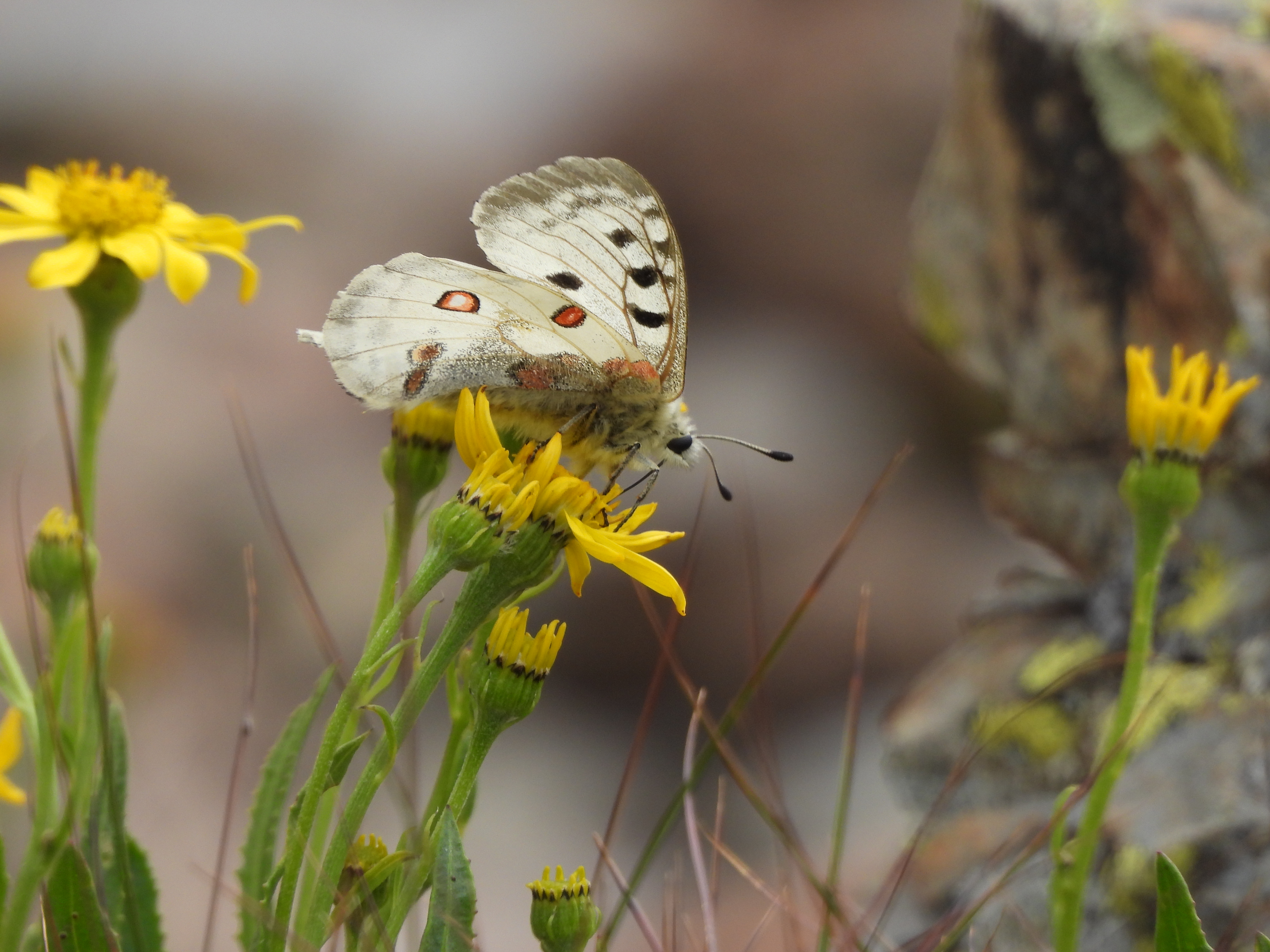
Butterflies of high mountain areas are also bioindicators of climate change. One example is the Apollo butterfly (Parnassius apollo), which faces conservation challenges due to habitat alteration, causing it to shift to higher altitudes in search of cooler ecological conditions to counteract the effects of global warming, thereby reducing its current area of occupancy.

Other species, such as the Spanish moon moth (Graellsia isabellae) can serve as bioindicators of the state of the pine forests where they live, which are at risk from wildfires or pine processionary moths.

In addition, there are other butterflies from warm environments that take advantage of drier conditions and rising temperatures. One example is Leptotes pirithous, which has benefited from global warming and has seen its population increase in recent years.
Therefore, this population decline could lead to a biological and economic crisis.
What can we do?
- Protect and conserve the habitat: Key actions include restoring semi-natural habitats, promoting landscape integration with diverse mosaics, encouraging extensive livestock farming, and conserving ecological corridors.
- An important action is the management of meadows for butterflies.
- Monitoring programs: Through the European Butterfly Monitoring Scheme (BMS) (Butterfly Monitoring Scheme) we can understand patterns of behavior, abundance, and richness, as well as their relationship to environmental disturbances, such as climate change.
- Population study (effective size, population dynamics, phenology, and habitat characterization).
.avif)
.jpeg)