.avif)
Six simple ways to help these little nocturnal flyers.
Bat conservation is not limited solely to the establishment of artificial roosts. It is essential to integrate a set of preventive, corrective, compensatory, and complementary measures into various environmental assessment tools to promote both the availability of suitable habitats and connectivity between them.

The main measures are based on the maintenance, improvement, and conditioning of habitat, with actions that guarantee the conservation of existing populations and encourage the recolonization of degraded areas. These include the following:
Landscape planning
Landscape design must include the creation and preservation of ecological corridors, hedgerows, tree lines, and natural margins that connect roosting and foraging areas. Planning must integrate the conservation of traditional structures such as stone walls, farmhouses, mills, or rural buildings, which act as potential roosts.
Likewise, it is essential to avoid territorial fragmentation through land-use planning that maintains habitat continuity and incorporates criteria for responsible night lighting (minimizing light pollution) and promote coexistence between urban and natural areas.

Improving connectivity on transport routes
Road infrastructure can act as a barrier to bat movement. To reduce this impact, measures must be implemented such as the installation of wildlife crossings (green bridges, tunnels, or overpasses) and the planting of hedges or tree lines parallel to roads, which guide the flight of individuals and minimize mortality from vehicle collisions.
Likewise, reducing direct lighting on roads near feeding or roosting areas is key to preventing the disorientation of species most sensitive to light.

Gardens, plantations, and sowing
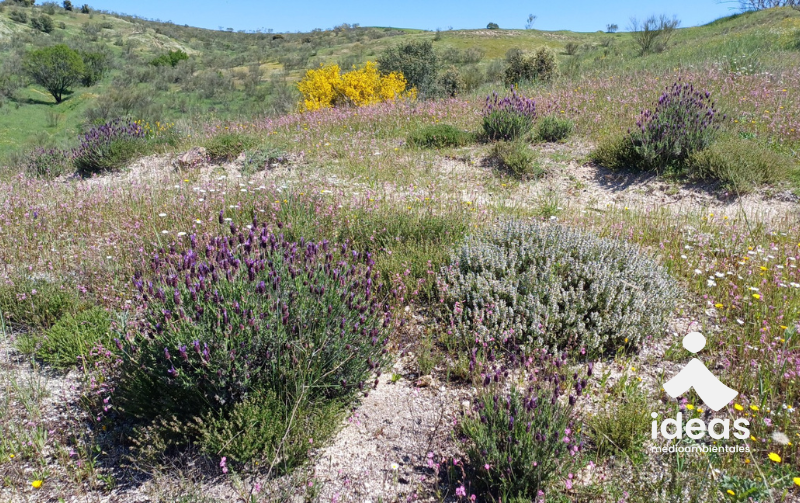
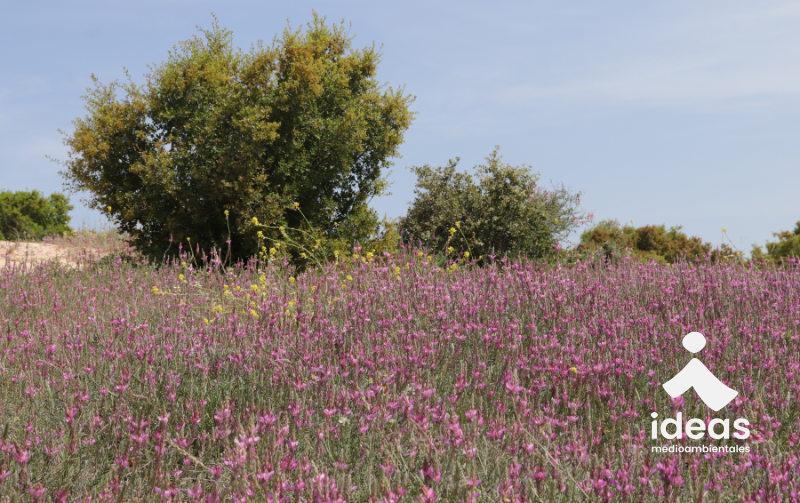
Gardens, plantations, and small woodlands in human-altered environments increase landscape diversity and improve connectivity between peri-urban vegetation patches. Promoting the proliferation of night-blooming species, those with high nectar content or abundant fruit, provides food for diurnal and nocturnal insects, increasing the diversity of trophic resources, as these are in turn potential prey species for bats.
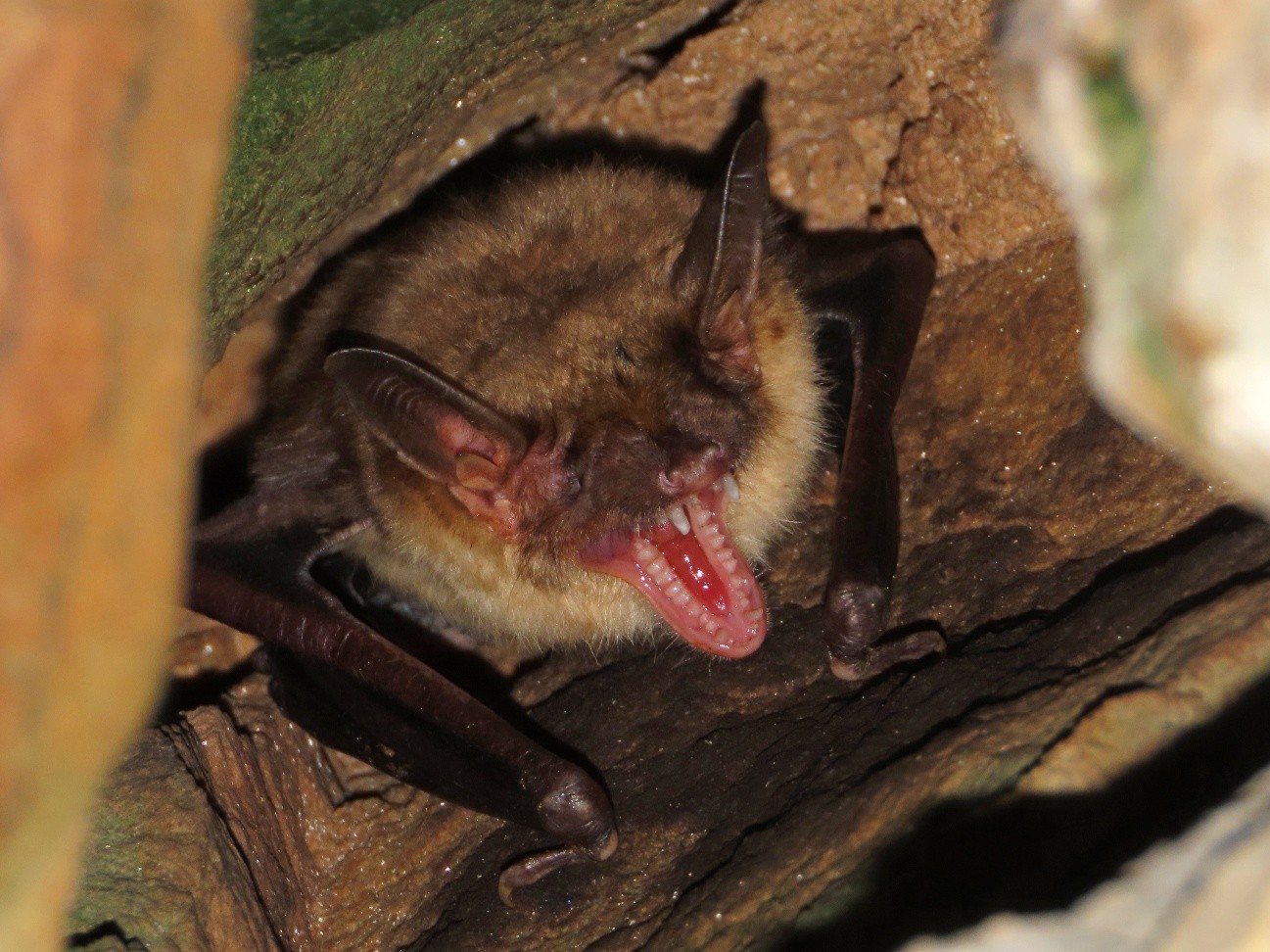
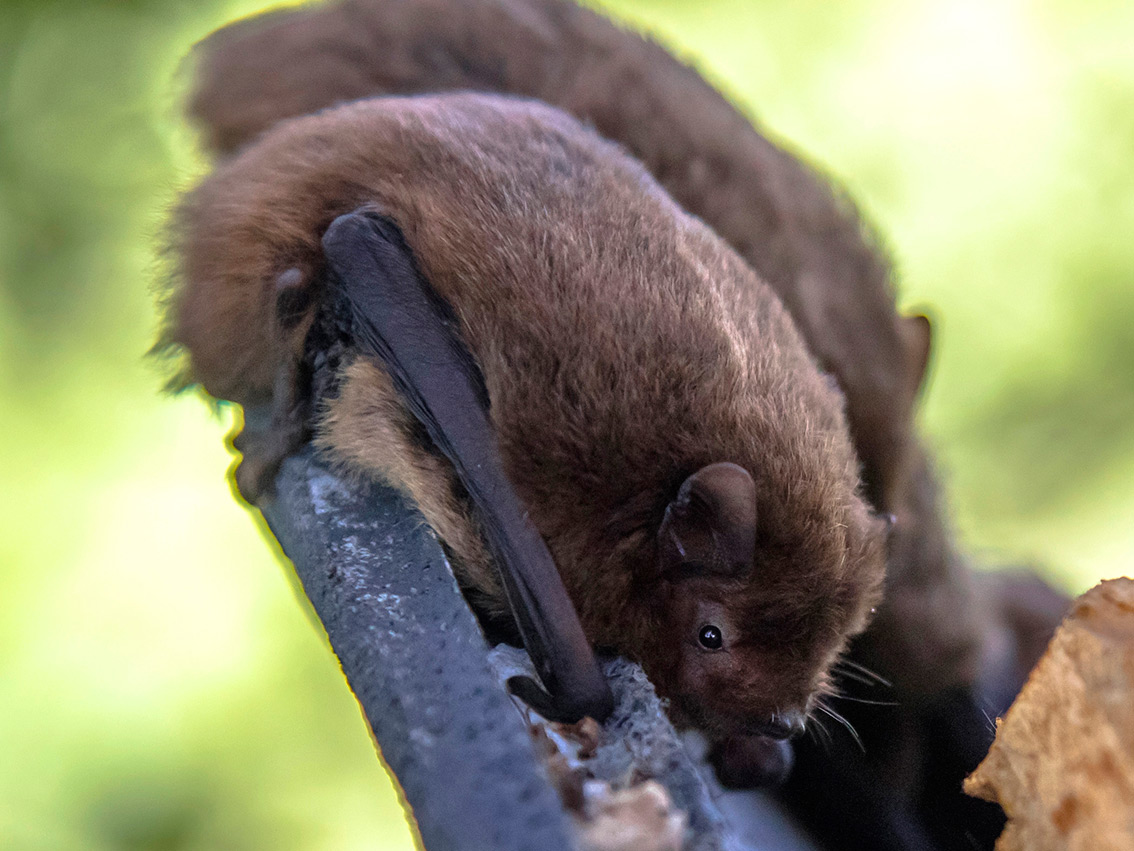
Many species, such as the common pipistrelle (Pipistrellus pipistrellus), the brown long-eared bat (Plecotus auritus), the grey long-eared bat (Plecotus austriacus), and the whiskered bat (Myotis mystacinus), frequent urbanized areas for shelter, moving to areas of ecological corridors, perimeter hedges, or tree lines to hunt.
The specific composition of the vegetation varies greatly depending on the target species and the purpose of the measures implemented; however, it is very important to maintain the following management keys:
- Prioritize native species with high trophic interaction.
- Eliminate the use of pesticides and insecticides.
- Maintain shaded and semi-shaded areas.
- Reduce nighttime lighting in the surrounding area.
- Create a continuous corridor of vegetation.
- Reduce the risk of potential disturbances.
Conservation and restoration of buildings or bridges
Actions must prioritize the conservation and adaptation of existing structures over the creation of new artificial shelters . Restoration work must include measures for protecting or restricting human access to areas where colonies are detected, as well as appropriate design and scheduling based on the species present.
Crevice-dwelling bats show some flexibility in moving within the same building, while other species have less capacity to adapt when it comes to relocating. Therefore, it is essential to maintain the microclimatic conditions of the shelters and avoid construction work during breeding or hibernation periods, through proper design, planning, and scheduling of the planned actions.
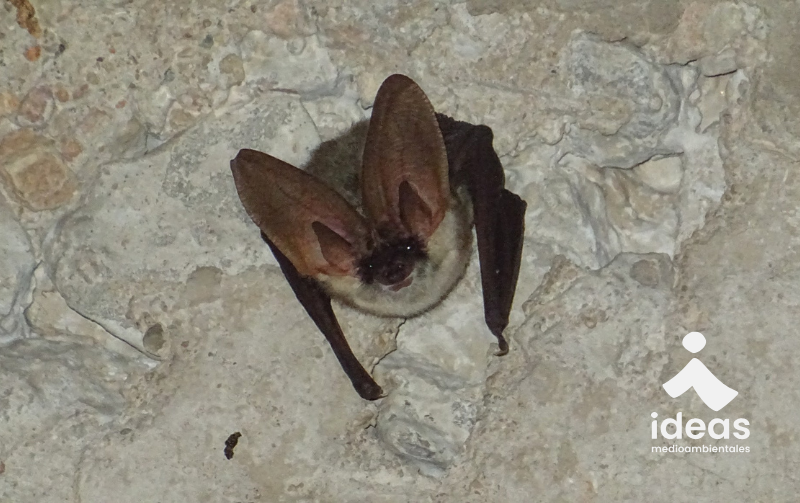

Management of rocky outcrops and underground shelters
Establishing appropriate usage, minimizing modifications to rocky outcrops, caves, and mines for tourism, and implementing human access restrictions prevents direct or indirect impacts on the colonies present in these locations.
Shelters closed to the public provide a safe haven throughout the year, while crevices in rocky outcrops are used by individual bats of most species during the winter. The most suitable ones are those with entrances accessible in flight and protected from water by overhangs or ledges.
Planning usage and restricting access to tunnels during winter are among the most effective protection tools.
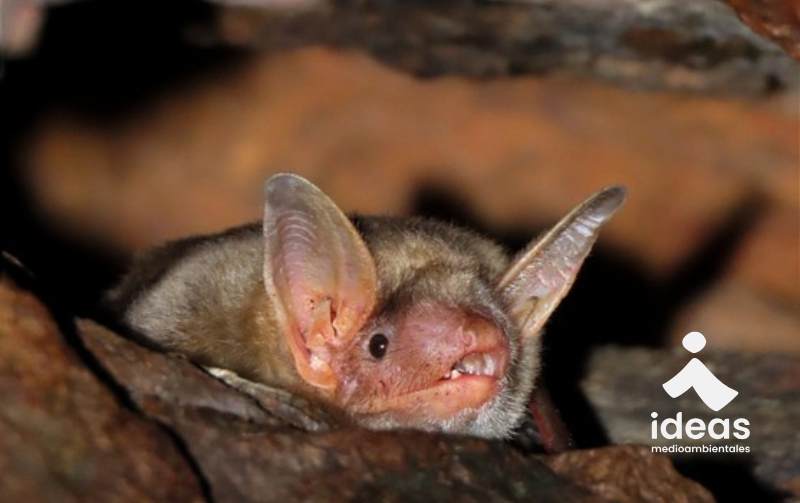
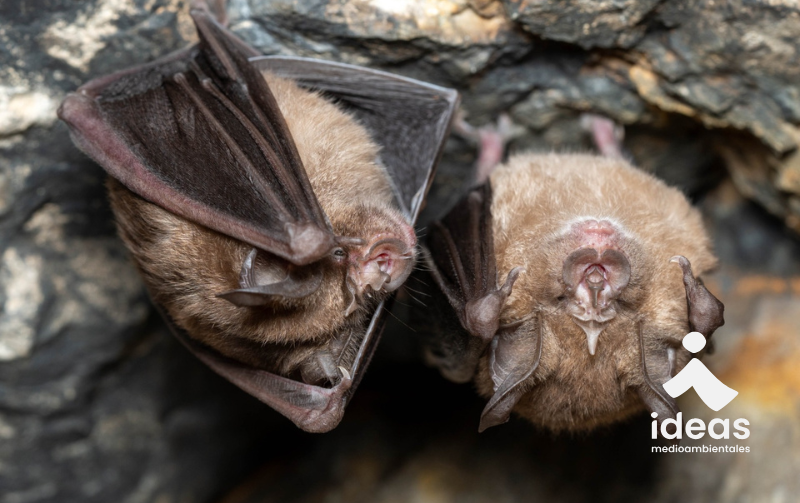
Scientific outreach
Environmental outreach is an essential pillar in the conservation of bat populations. Promoting knowledge about local species, their habits, and the benefits they provide to the ecosystem helps dispel myths and encourage their protection.
Hosting exhibitions, talks, courses, and guided night walks helps increase public awareness and engagement. The more people know, the more involved they become in conservation.


.avif)
.jpeg)