.avif)

Discover what a synergy and cumulative effects study is in environmental assessment, why it is essential for renewable energy development, and how it contributes to sustainable land management.
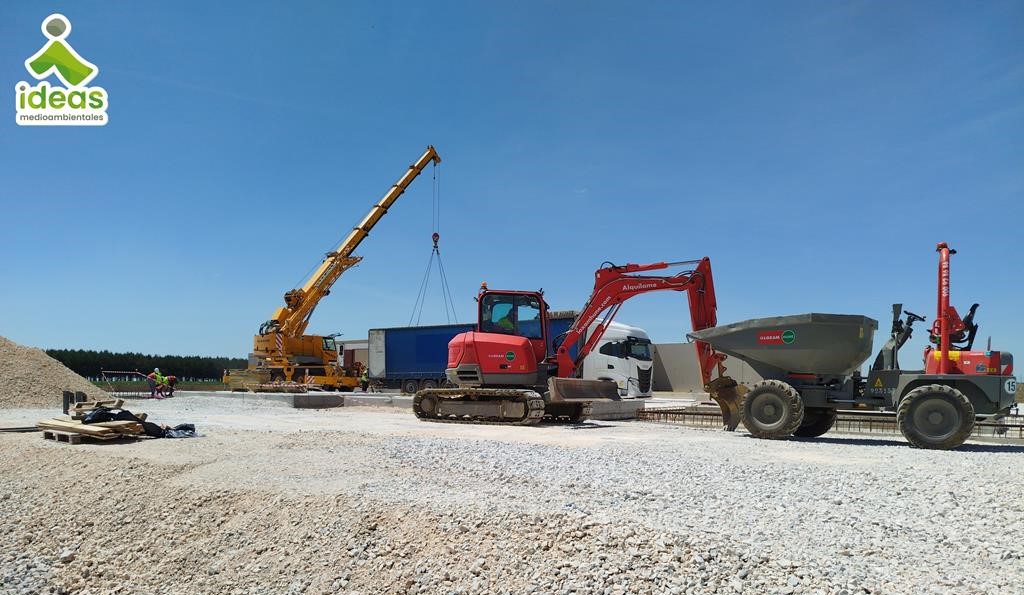
In recent years, with the rollout of renewable energy, it has become increasingly important to analyze in detail the synergies and cumulative effects of projects proposed for the same area within the framework of environmental impact assessment. This approach addresses the growing concern regarding the indirect, combined, or successive impacts that can occur on various environmental factors in territories with a high density of similar projects.
Studies on synergies and cumulative effects address the growing concern over combined impacts that can occur in areas with a high concentration of projects—such as solar farms, wind farms, or linear infrastructure—which, while individually viable, may not be so when considered together.
What are cumulative effects?
These are impacts that result from the sum of several simultaneous or successive actions on the same environment.
For example, several solar farms or infrastructure projects in the same region can cause a progressive alteration to the landscape, biodiversity, or water resources, even if each one individually meets regulatory limits.
And what about synergistic effects?
Synergistic effects occur when the interaction between different impacts produces a result greater than the sum of its parts. In other words, two actions that might seem insignificant separately can generate a more intense or different impact on the environment when combined.
Why is the study of synergies and cumulative effects important?
Correctly identifying and assessing these effects is key to:
- Preventing impacts that are not evident in the initial planning phases.
- Proposing more effective preventive or corrective measures that are tailored to the local reality.
- Ensuring the overall sustainability of the territory, rather than just the environmental viability of a specific project.
An integrated approach from Ideas Medioambientales
At Ideas Medioambientales we understand that every project is part of a dynamic territorial system where actions do not occur in isolation, but rather interact and can generate cumulative and synergistic effects. Each new piece of infrastructure and each human action is inserted into a context where other pressures, impacts, and uses already exist. This is where synergistic and cumulative effects become relevant; they are an essential—and often complex—part of any rigorous environmental assessment, as it is not just about measuring impacts in isolation, but about analyzing how their sum can modify the overall functioning of ecosystems. This broader perspective is key to moving toward truly sustainable land-use planning.
One of the elements that gives meaning to this approach is ecological connectivity. Ecosystems do not function as independent pieces, but as a continuous network that allows for the exchange of species, energy, and natural processes. The fragmentation of the territory—due to infrastructure, land use, or physical barriers—breaks that network and compromises its resilience. Evaluating connectivity helps us understand where the ecological corridors, transit areas, and strategic spaces that ensure the overall environmental functionality are located.

At Ideas Medioambientales, we are committed to integrating these aspects from the early stages of our studies. Identifying synergies, cumulative effects, and territorial connections allows us not only to anticipate impacts but also to propose corrective and restoration measures that reinforce the ecological coherence of the landscape. In this way, projects are not viewed as isolated elements, but as part of a broader environmental and social framework.
This holistic vision reinforces the idea that every decision made within a territory—no matter how small it may seem—is part of a larger system. Analyzing it with tools that integrate synergies, cumulative effects, and connectivity brings us closer to a more balanced, informed, and respectful management of the natural environment.
For this reason, we incorporate this analytical perspective into our Environmental Impact Assessments (EIA), Strategic Assessments (SA), and specific synergy and cumulative studies, combining geographic information systems, ecological models, and multidisciplinary expert knowledge.
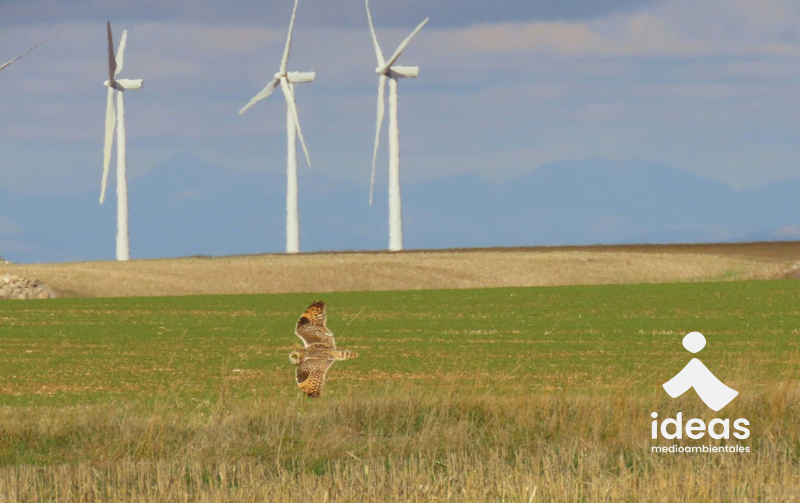
Towards a sustainable territorial vision
Adopting a cumulative and synergistic approach allows us to identify and anticipate the combined effects of multiple human activities, evaluate their real impact on environmental and social components, and strengthen evidence-based decision-making.
Only through this comprehensive vision of the territory is it possible to prevent risks, safeguard natural and cultural values, and promote a balanced coexistence between sustainable development and ecosystem conservation.

.avif)
.jpeg)