.avif)
Between waves and winds: practical criteria for planning oceanic bird and cetacean surveys.
Sampling common pelagic fauna (birds and cetaceans) is relatively complicated due to weather and sea conditions, as well as the cost of primary monitoring methods. Beyond 3-5 kilometers from the coast, monitoring from land is not possible, requiring travel into this inhospitable environment using some type of vessel.
Types of vessels: advantages and limitations
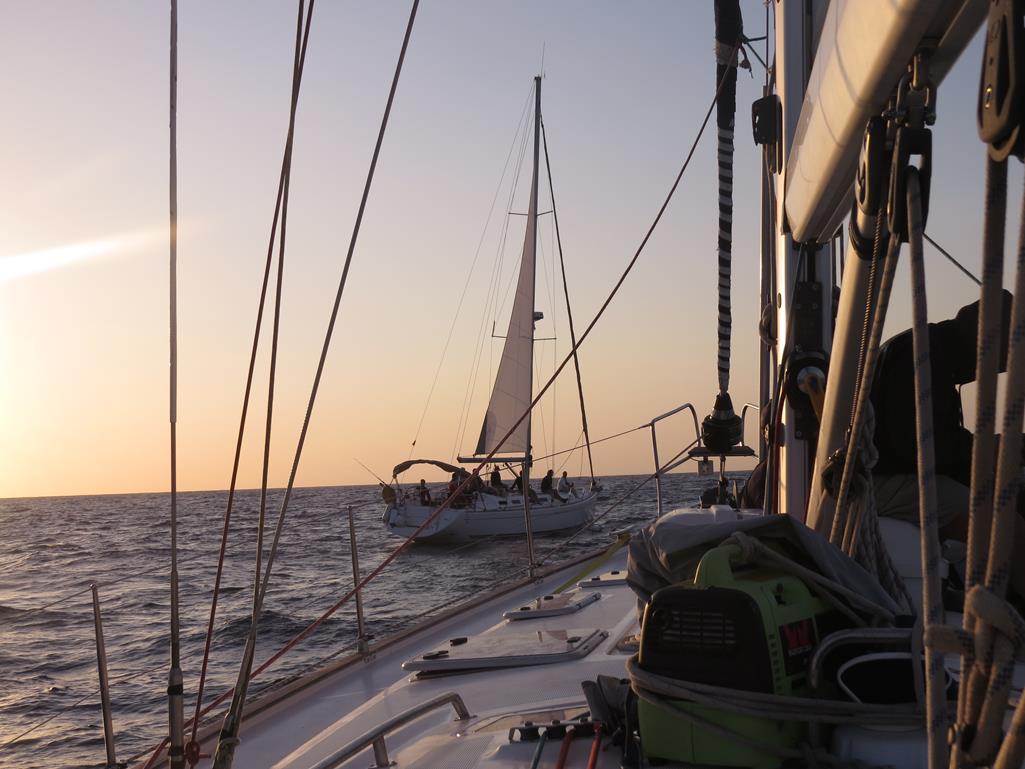
The challenges associated with each type of boat make them more or less suitable for different sea conditions. Generally, seaworthy vessels are well-suited for any circumstance, although they must be adapted to accommodate non-professional passengers. Sailboats have fewer limitations in this regard, can be more economical, and allow for trips further from the mainland. Recreational vessels, such as small and medium-sized yachts, can be the most suitable option, although they are often limited by the distance from the coast at which they can operate with clients.
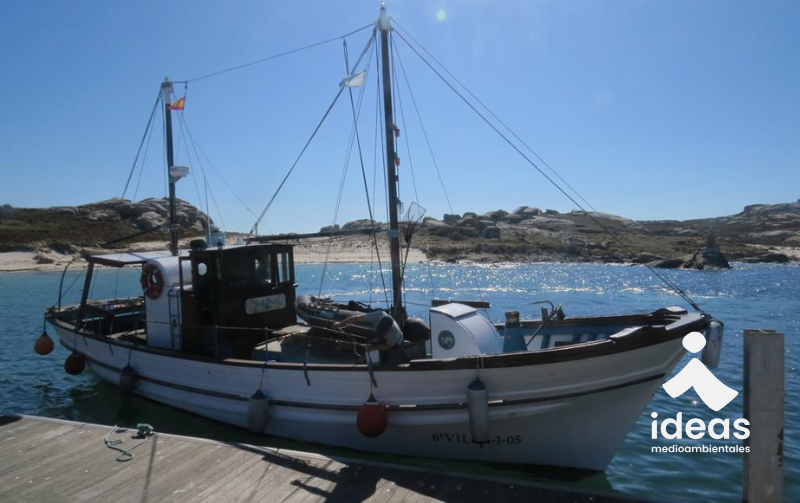
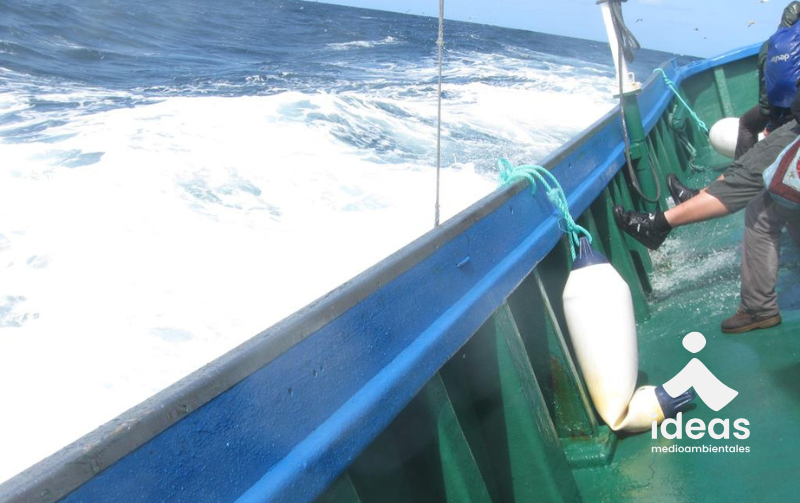
The fishing boats and sailboats have excellent seaworthiness and are very safe, even if conditions are uncomfortable in rough seas. Fishing boats are not usually equipped for overnight stays, but sailboats are, making them suitable for sampling far from the coast or over several days.
The yachts may have a small upper deck above the cabin, which is appreciated for sampling as it provides an extra couple of meters of height above the sea, although it is more uncomfortable for those prone to seasickness.
The recreational vessels have intermediate characteristics and capabilities, provided they are authorized and licensed to take clients more than 12 miles from the coastline. All these vessels are relatively small, meaning observations are made from a low height above the water, making it difficult to spot wildlife at any distance from the boat, especially cetaceans if the sea is not quite calm.
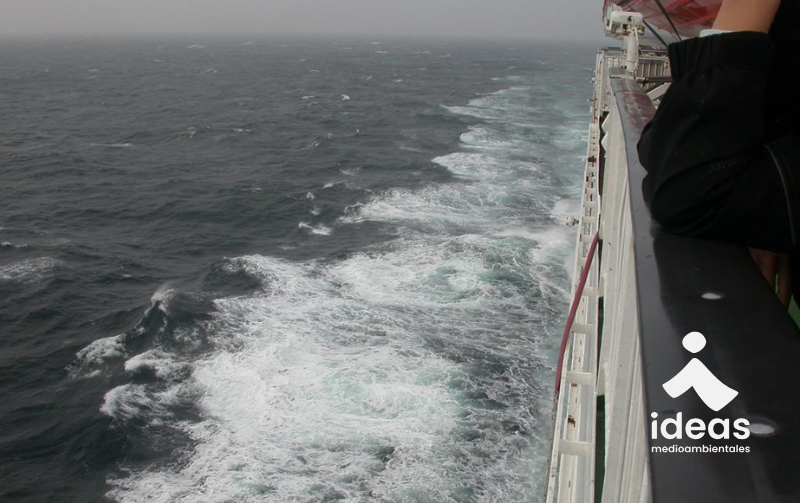
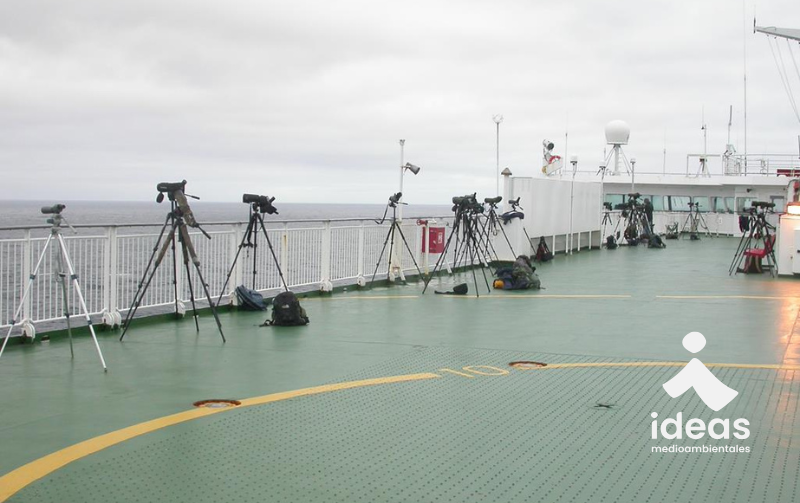
The ferries used for commercial transport of goods and passengers can have large, accessible decks from which observations can be made comfortably, although their suitability varies significantly and they are sometimes impractical for conducting counts with good visibility. These vessels usually have stabilizers that reduce motion, making it feasible to use spotting scopes on the larger ones. The height of these ships can be significant, providing an excellent vantage point for detecting wildlife several kilometers from the vessel's path. Although their routes are predetermined by commercial needs, they are often useful for standardized surveys in areas that are difficult to access by other methods. It must be kept in mind, however, that these will generally be moving counts at an average speed of over 20 knots (38-40 km/h), whereas a speed of 5-15 knots would be more appropriate.
The strategic use of fishing boats and migratory routes
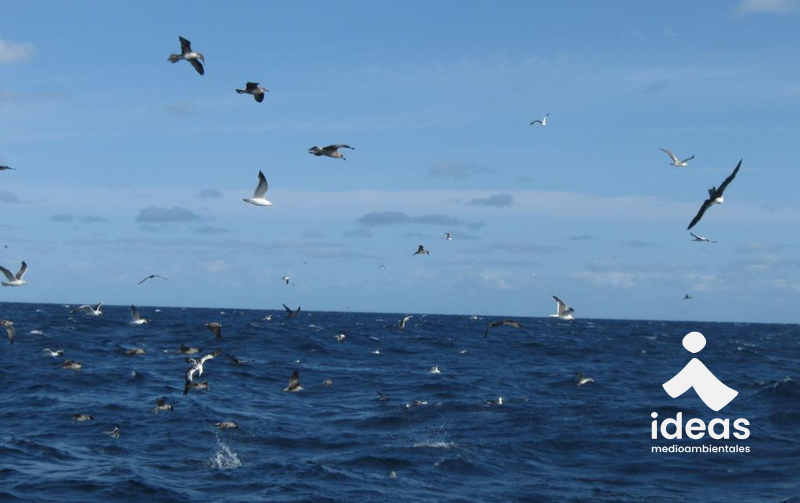
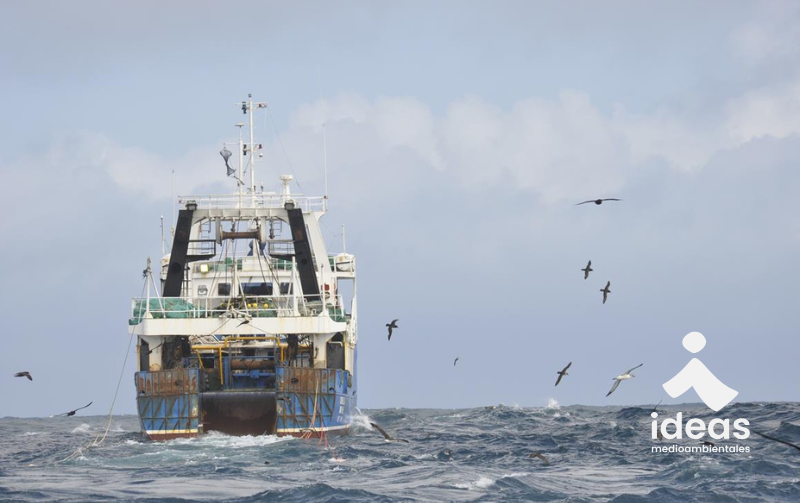
One of the best tactics for detecting birds and cetaceans on the high seas is to look for areas where fishing boats or trawlers are working and head toward them. These areas often feature cold water upwellings, which lead to high primary productivity and attract the predators being sought.
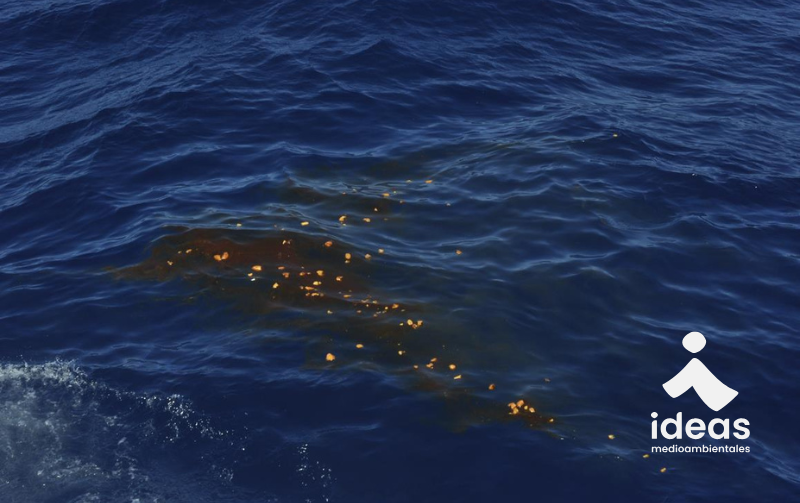
Given the low density of pelagic birds across most of the vast ocean surface, another technique to improve detection is to attract them with an organic mixture called "chum." This product floats on the sea surface and is based on fish and fish oil, which releases a persistent scent that can attract birds from several kilometers away downwind. Pelagic birds such as storm petrels, shearwaters, etc., have a highly developed sense of smell, allowing them to detect food upwellings or scraps to feed on in the vastness of the ocean. This technique is not compatible with line transect counts; it is only for certain surveys of species with low detectability.
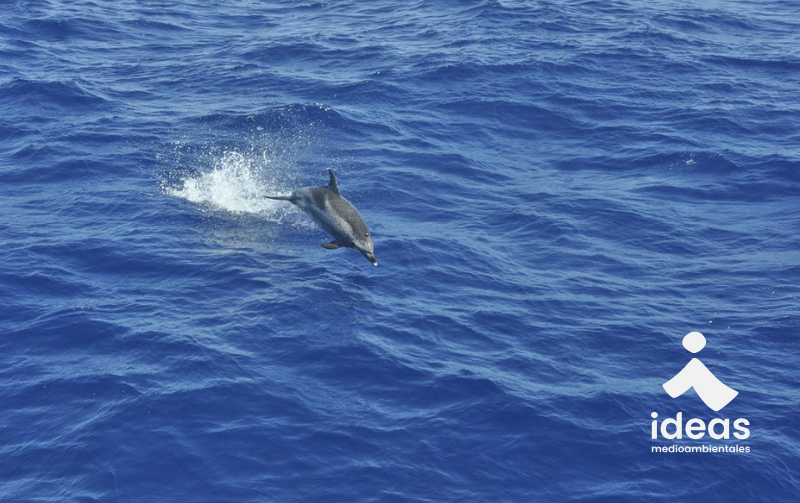
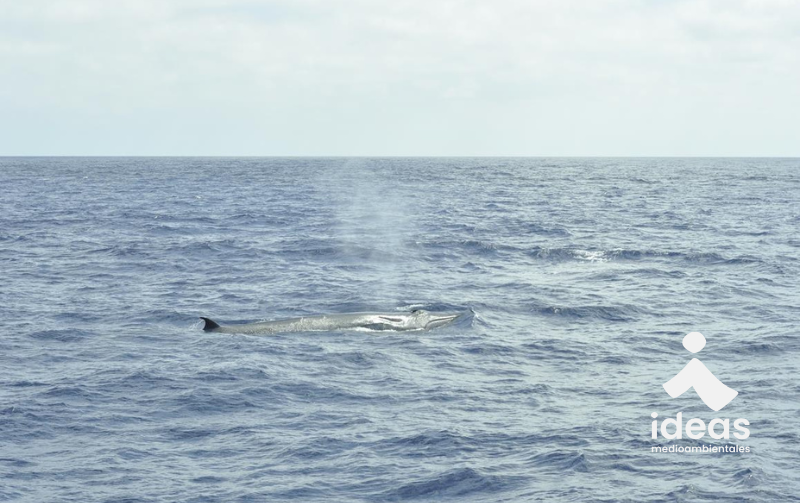
Pelagic cetaceans use different marine zones for both migration and feeding. The latter is largely determined by cold-water upwellings and their mixing with warmer coastal waters. These upwellings are usually seasonal, so the movement or even the presence of different species often depends on the time of year. An example of this is the autumn migration of fin whales (Balaenoptera physalus) and orcas (Orcinus orca) from the Mediterranean Sea to the North Sea, traveling along the entire Iberian Peninsula. In general, pelagic cetaceans tend to migrate far from the coast, making them rarely visible from land in Europe.
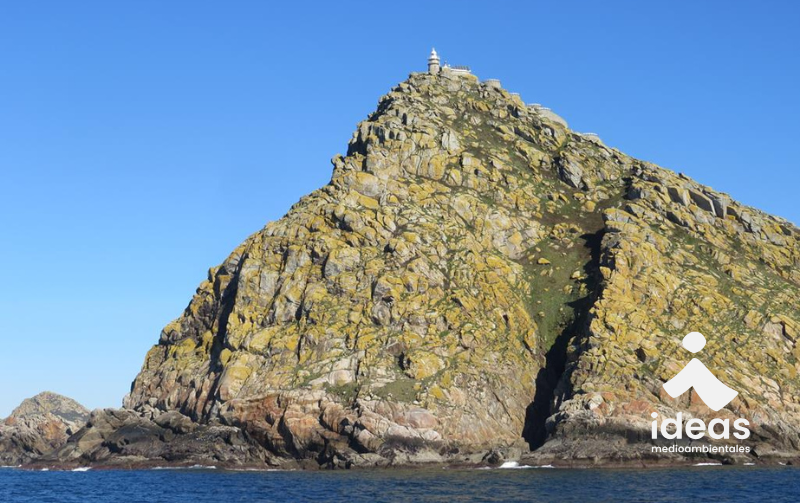
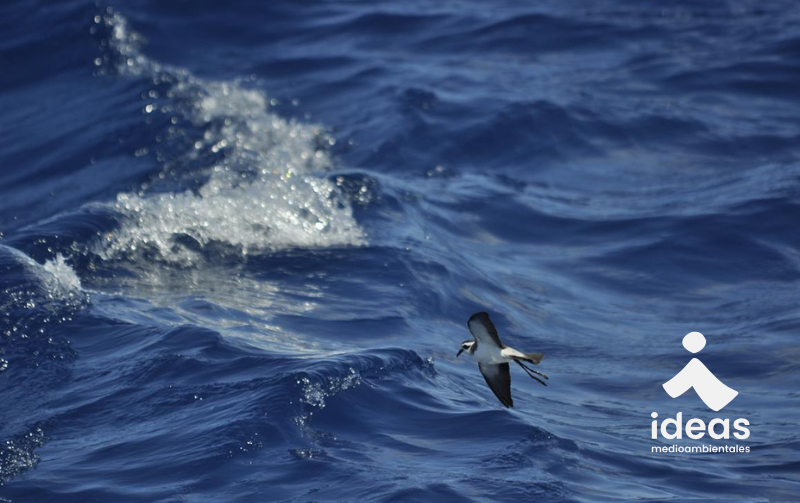
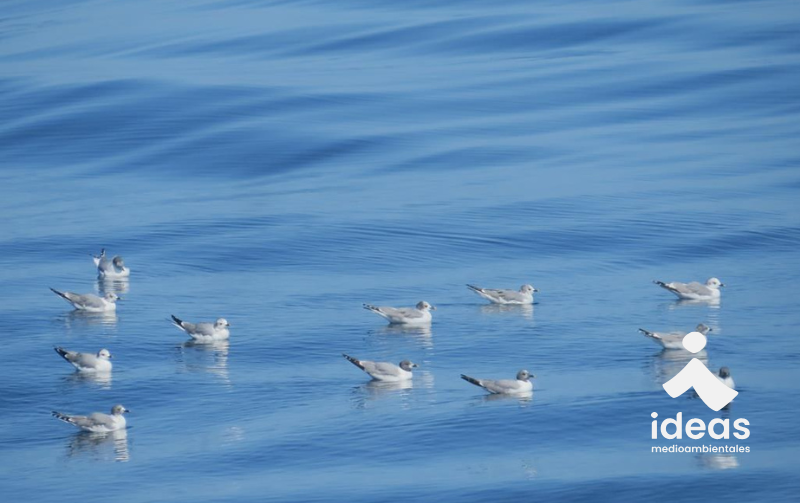
Pelagic birds use these regions in a similar way to cetaceans, although overwintering at certain latitudes is also important. Since birds have lower metabolic needs than cetaceans, they do not need to feed as frequently during migration. Another notable difference is that most seabirds, when wind conditions are favorable, hug the coastline at capes and peninsulas to shorten their migratory routes, which allows for the observation of massive bird movements from major headlands. These migratory streams off capes and continental points generally remain within 5–20 km of the coast. Further out, bird density is usually lower, although it can be maintained depending on the winds and may even increase for more pelagic species, such as storm petrels of genera like Hydrobates,Oceanites or Pelagodroma and alcids such as razorbill (Alca torda), common murre (Uria aalge), or Atlantic puffin (Fratercula arctica).
Choosing the right medium: keys to planning and conducting effective sampling
Ultimately, you will need to choose from a variety of means to conduct sampling depending on the target species, environmental conditions, frequency, or geographic location. All of this will be conditioned by the availability of these resources and, naturally, by budget constraints.
Finally, it is worth mentioning the obvious: the widespread issue of seasickness and its consequences. There are no magic solutions to avoid it, but there are tricks that can minimize the likelihood of suffering from it or reduce the impairment it causes. In this regard, getting enough rest beforehand, staying mentally active during sampling, eating solid foods, avoiding alcohol, and, of course, taking motion sickness medication are all helpful. Ultimately, getting used to the conditions will make trips less difficult, although achieving permanent immunity is unlikely.
Recommended reading:
https://helcom.fi/post_type_publ/helcom-monitoring-guidelines-for-seabird-at-sea/
https://www.coastalwiki.org/wiki/Counting_seabirds_from_ships_and_aircraft
.avif)
.jpeg)