.avif)
The IDAE's REPOTEN 2 call reinforces the role of renewable energy repowering as a key tool for the energy transition.
The IDAE has launched the second call for the Circular Repowering program “REPOTEN 2”, a grant line aimed at boosting the repowering of renewable energy projects in Spain.
The call, funded by NextGenerationEU funds and framed within the Recovery, Transformation and Resilience Plan (PRTR), reinforces a key idea in the energy transition: moving toward a more sustainable model is not just about new developments, but also about improving and optimizing existing renewable facilities, reducing their environmental, territorial, and social impact.

What does the REPOTEN 2 call consist of?
REPOTEN 2 is designed to support projects committed to the modernization of operational renewable facilities, favoring better use of energy resources and more respectful integration with the environment, in compliance with the objectives set out in the Directive (EU) 2018/2001 of the European Parliament and of the Council of 11 December 2018 on the promotion of the use of energy from renewable sources, within the Energy Storage Strategy, in the NECP, and also by implementing the Long-Term Decarbonization Strategy to mobilize investments in the deployment of clean technologies based on renewable sources.
Who is this call for applications for?
These grants, which focus on renewable energy repowering, are aimed at public and private entities promoting projects within the framework of two major programs, subsidizing the following actions:
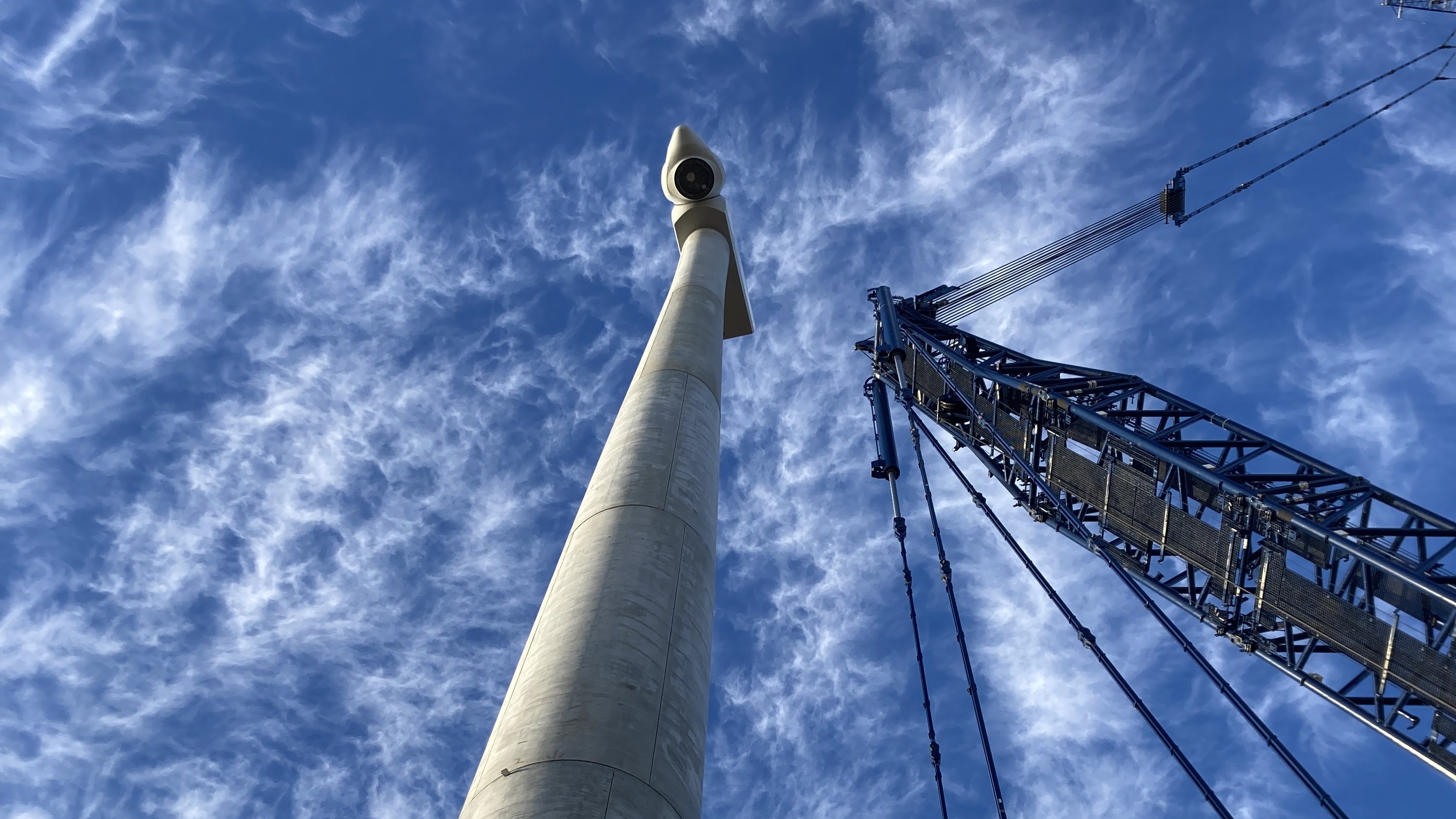
- Program 1. Wind repowering. Aimed at facilities in operation prior to June 30, 2010. It focuses on replacing old wind turbines with more efficient ones that have greater generation capacity and comply with current grid codes. Minimum eligible costs per project are set at over €1,000,000.
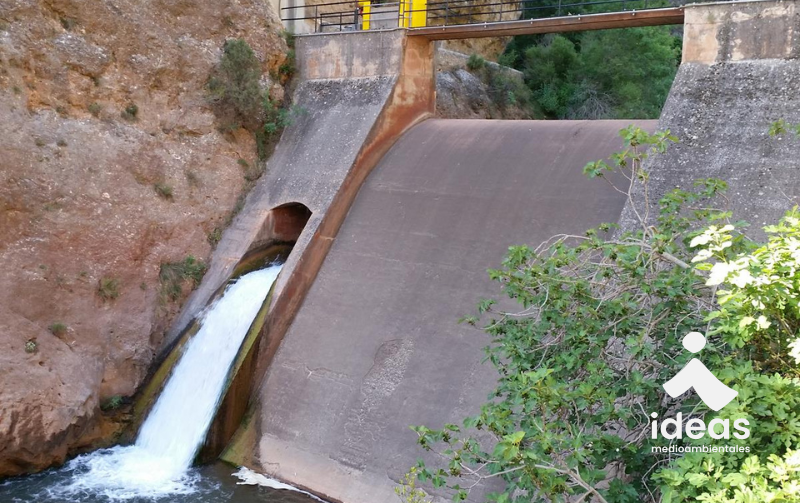
- Program 2. Renovation of existing small-scale hydroelectric plants. Aimed at facilities with a capacity of up to 50 MWThis involves the technological and environmental renovation of small-scale power plants, incorporating efficiency improvements as well as adaptation to new hydrological requirements and territorial integration. In this case, the minimum eligible costs per project exceed €400,000.
The scope of application is the entire national territory, which opens the door to a wide variety of projects, both in rural settings and in areas with a long history of renewable energy generation.
Budget, key deadlines, and evaluation criteria
The call for proposals has a total budget of 292 million euros, primarily allocated to wind power repowering projects and, to a lesser extent, the renovation of small-scale hydroelectric plants.
The aid is granted as a non-repayable grant, with an intensity of up to 35% of the eligible cost, which can be increased to 40% depending on the quality of the project.
The main deadlines to keep in mind are:
- Application submission: from January 15 to February 24, 2026.
- Maximum project execution period: until June 30, 2030.
As this is a competitive biddingprocess, the awarding of grants does not depend solely on meeting the minimum requirements, but on a comparative assessment of the submitted projects.
The aid intensity may be increased based on technical, environmental, and socioeconomic criteria, which are integrated transversally into the evaluation. Special consideration is given to actions that improve energy system efficiency, reduce environmental and territorial impacts compared to new developments, strengthen integration into the surrounding area, and contribute to an orderly and socially acceptable energy transition.
In this regard, although the call does not establish a specific socioeconomic scale, aspects such as the reuse of existing infrastructure, the minimization of new land use, or the reduction of territorial conflicts carry significant weight in the overall assessment of applications.
What types of actions are funded?
The REPOTEN 2 call funds actions aimed at improving the performance and sustainability of existing renewable energy facilities. Eligible actions include:
- replacing old wind turbines with more efficient ones,
- reducing the number of machines while maintaining or increasing energy output,
- technological upgrades for small-scale hydroelectric plants,
- improving the environmental and territorial integration of facilities,
- incorporating additional environmental measures,
- and, where technically feasible, hybridization with energy storage systems.
The DNSH principle, a central pillar of the call
One of the most relevant aspects of the REPOTEN 2 call is the requirement to comply with the "Do No Significant Harm" (DNSH) principle, which is mandatory for all actions funded by European funds.
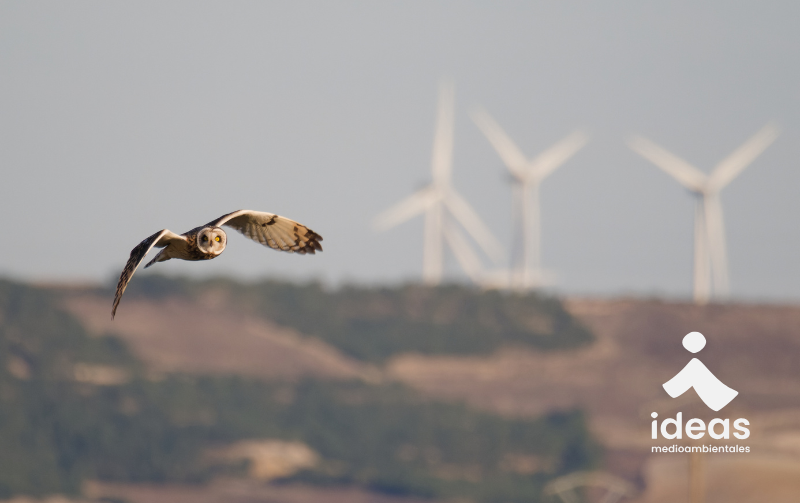
In this regard, all renewable facility repowering projects must justify that they do not cause significant harm to the environment, by analyzing their impact in areas such as climate change and adaptation, protection of water resources, circular economy and waste management, pollution prevention, and the protection of biodiversity and ecosystems.
Failure to comply with the DNSH principle results in exclusion from the call or, in later stages, the loss or repayment of the granted aid, which reinforces the importance of integrating environmental analysis from the initial project phases.
This approach allows for concentrating renewable generation in already anthropized areas and moving towards a renewable repowering aligned with the PNIEC 2023-2030 and European climate goals.
Renewable repowering: an environmental, territorial, and social opportunity
The repowering of renewable projects offers clear advantages over new developments, from environmental, territorial, and social perspectives:
- it reduces the environmental and landscape footprint,
- it improves the energy efficiency of the facilities,
- it leverages existing infrastructure,
- it limits the use of new land,
- and it fosters greater social acceptance of projects.
For this reason, repowering is becoming one of the most effective ways to move towards a more orderly, sustainable, and socially viable energy transition.

At Ideas Medioambientales, we support you in your repowering projects
We support developers and public entities in renewable energy repoweringprojects, providing an integrated environmental, territorial, and socioeconomic approach. Our goal is not only to ensure regulatory compliance but to improve the overall quality of the project and its fit within the territory.
Our work includes, among other aspects:
- conducting environmental pre-feasibility studies, evaluating the project in a preliminary and early stage,
- analysis and Environmental and Territorial Impact Assessment of repowering alternatives,
- support in environmental permitting and updating the Environmental Impact Statement (EIS),
- design of environmental improvement and territorial integration measures,
- preparation of Social Impact Studies and Socioeconomic Strategic Plans, aimed at strengthening social acceptance of the project and its contribution to the territory,
- evaluation and justification of compliance with the DNSH principle,
- and reduction of environmental and administrative risks.
Repowering is not just a technical upgrade: it is an opportunity to make renewable projects more sustainable, better integrated into the territory, and aligned with new European frameworks.

.avif)
.jpeg)