.avif)

Fossils: our forgotten heritage.
Although paleontology is the most popular of all sciences (Sampson 2012, Witton et al., 2014), possessing an appeal that is hard for other disciplines to match, the attention paid to the impact on paleontological heritage often seems to take a backseat.
Paleontology is the branch of science that studies past life forms throughout Earth's history. Given this vast scope, it is a multidisciplinary science. Various professionals from geology, zoology, botany, restoration, and other fields apply their expertise to paleontology, collaborating to decipher the many facets of natural history. This makes paleontology a highly complex science.
The status of fossil heritage in Spain
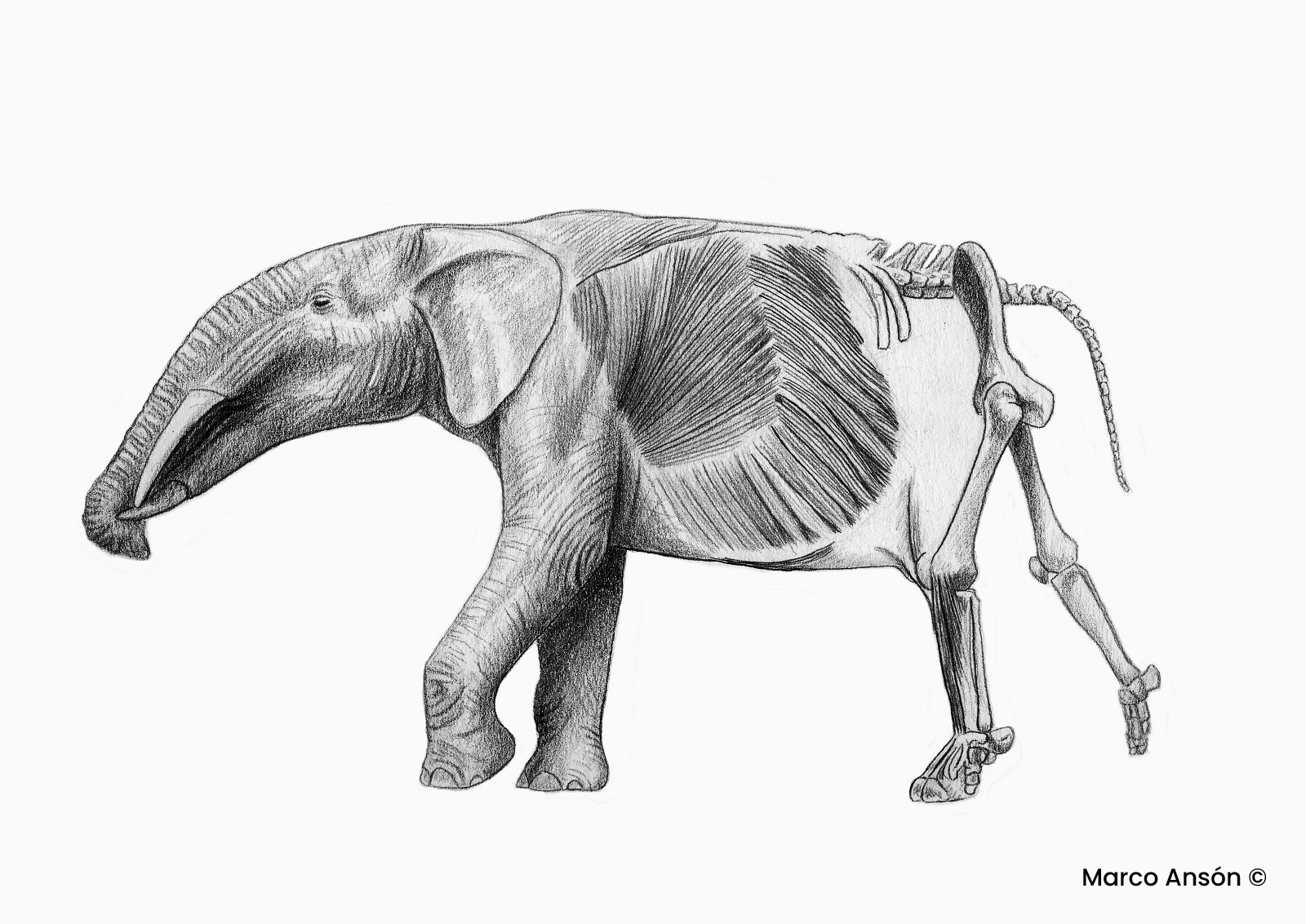
The Iberian Peninsula, and specifically Spanish territory, is home to a vast number of areas of paleontological interest, hosting thousands of documented fossil sites and, in practice, possessing the potential to house many more. Such a large number of fossil sites means that paleontological heritage can be affected when construction work and land alterations take place.
Paleontological monitoring is defined as the supervision of earthworks during construction to confirm or rule out the presence of fossil heritage in the work area. It is carried out especially in areas with a high probability of fossil presence or once paleontological elements have been located during the course of a project. Therefore, it should be considered for all projects involving earthworks. Paleontological heritage has diverse protections in Spain. However, Law 42/2007 (Natural Heritage) recognizes geological heritage, explicitly including paleontological heritage (sites and fossils) and obligating administrations to protect them against deterioration and looting. Additionally, fossils may be protected based on their location by Law 16/1985, of June 25, on Spanish Historical Heritage. At a more specialized level, the strongest degree of protection for fossils is based on regional legislation; while this is where protection can become more stringent and effective, it is also variable due to the differences between the various autonomous communities. Direct protection depends heavily on the autonomous community where the site is located. Therefore, the rigor of protection afforded to a fossil site is entirely uneven based on its location, requiring greater strictness depending on the territorial status of the site, the fossils found, and the autonomous community in which they are located.
Although these regulatory differences between national and regional levels affect the conservation of Spanish paleontological heritage and can lead to a certain degree of vulnerability for said heritage, the legislation guarantees basic protection that can reach total protection depending on the diversity of the specific laws and regulations in each case.
As a general rule, the discovery of a site can lead to two options:
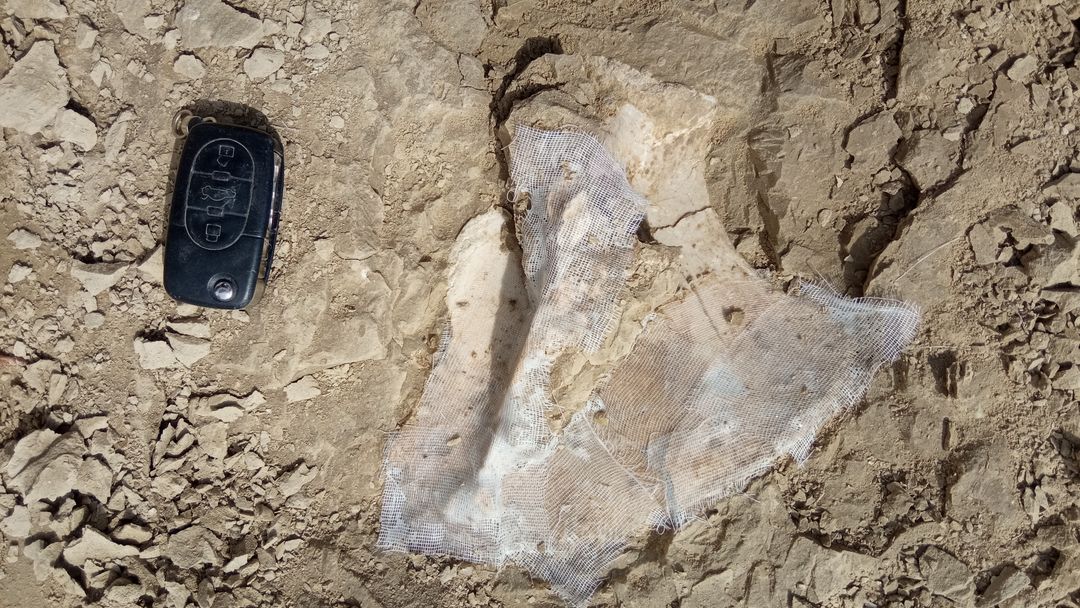
- Excavation of the site by qualified personnel to recover the fossil material and subsequent deposit of the found fossils in the museum collection designated for that purpose.
- Canceling the earthworks that reach the levels of the site and keeping the sediment covering the fossils without excavating, as they have been maintained for millions of years.
Cooperation between economic activity and paleontological monitoring
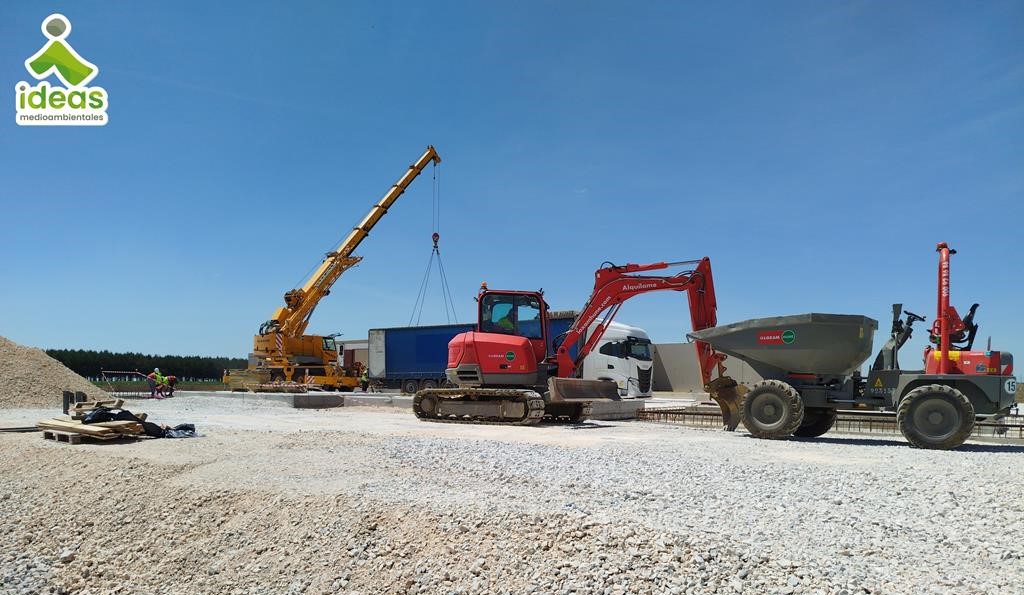
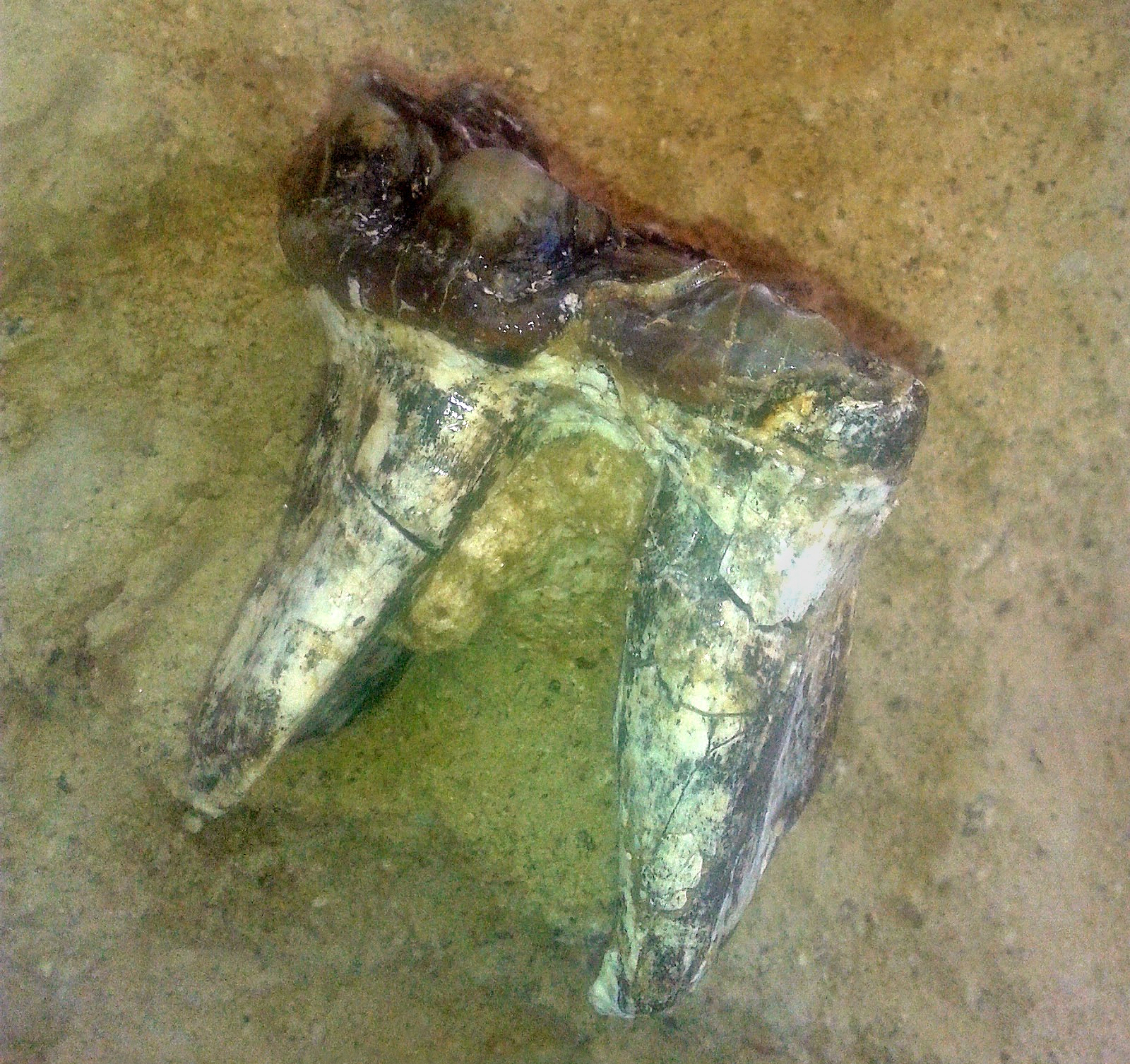
Often, the existence of fossil sites is discovered through natural resource extraction or land development activities. In these cases, the goal is to balance economic activity with the preservation of fossil heritage. Some of the most significant sites in Spanish paleontology, such as Cerro de los Batallones (Morales et al., 1992), Mina de Ariño (Alcalá et al., 2012), and Lo Hueco (Ortega et al., 2008), were discovered and excavated in this way.
Although paleontological monitoring and oversight are especially necessary in areas of geological interest known for their fossil heritage or where the discovery of fossil remains is anticipated, it is often overlooked until the last possible moment, when emergency paleontological intervention becomes unavoidable. Ideally, this type of work should be considered for all construction projects and interventions that involve earthmoving. Ultimately, it is in everyone's interest to consider paleontological monitoring from the initial phase of a project to anticipate potential sites and excavations, rather than finding oneself in a situation where fossils are discovered during project development without being prepared, which can lead to delays and execution problems.
References
Alcalá, L., Espílez, E., Mampel, L., Kirkland, J. I., Ortiga, M., Rubio, D., ... & Pesquero, M. D. 2012. A new Lower Cretaceous vertebrate bonebed near Ariño (Teruel, Aragón, Spain); found and managed in a joint collaboration between a mining company and a palaeontological park. Geoheritage, 4(4), 275-286.
Morales, J., Capitán, J., Calvo Sorando, J. P., & Sesé, C. 1992. Nuevo yacimiento de vertebrados del Mioceno superior al sur de Madrid (Cerro Batallones, Torrejón de Velasco). Geogaceta, 12, 77-80.
Ortega, F., Sanz, J. L., Barroso-Barcenilla, F., Cambra-Moo, O., Escaso, F., García-Oliva, M., & Marcos Fernández, F. 2008. El yacimiento de macrovertebrados fósiles del Cretácico superior de “Lo Hueco” (Fuentes, Cuenca). Palaeontologica Nova, 8(119), e131.
Sampsom, D. 2012. Introduction. In: S. White (ed.) Dinosaur Art. London: Titan Books, 7.
Witton, M., Naish, D., & Conway, J. 2014. State of the Palaeoart. Palaeontologia Electronica, 17(3), 17-3.
.avif)
.jpeg)