
Archaeological Watching Brief

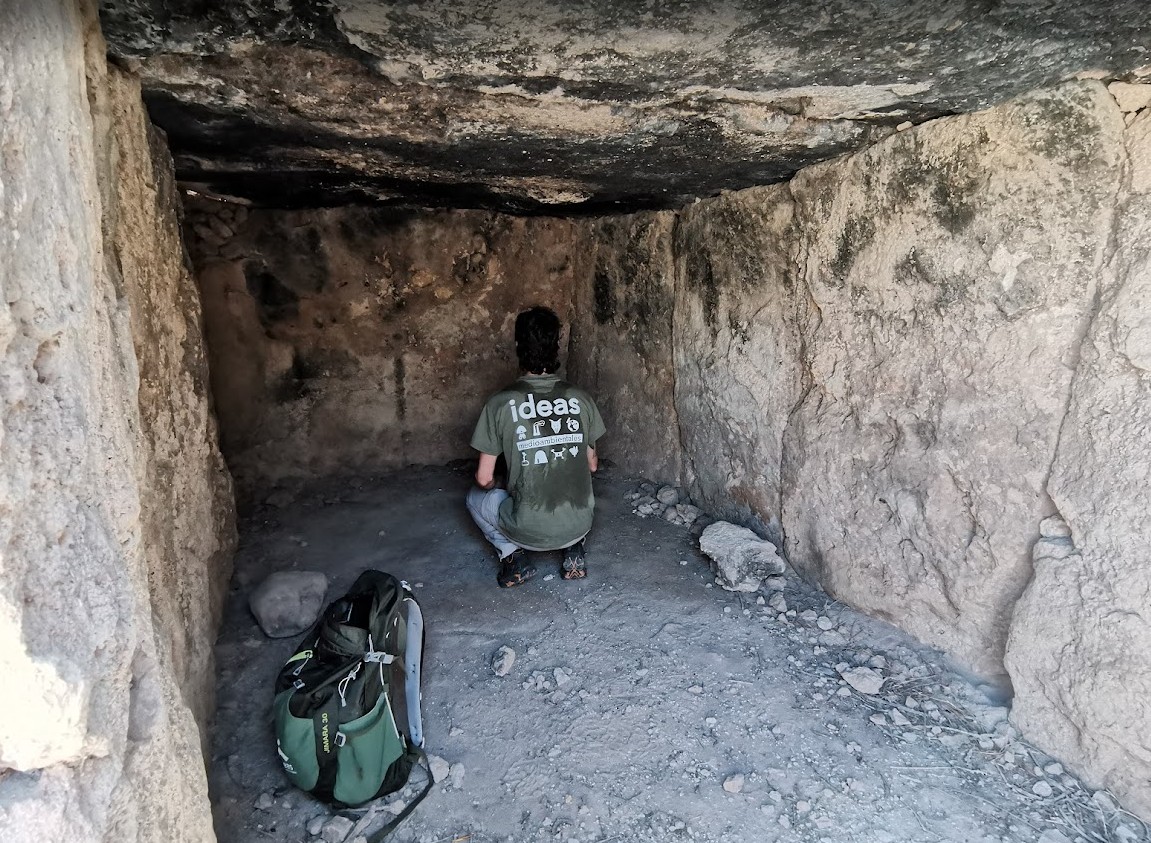
What an archaeological watching brief is
An archaeological watching brief is the continuous or periodic monitoring carried out by a professional archaeologist during earthworks on a project, with the aim of detecting, recording and protecting any archaeological finds that may come to light. It is one of the most common services in archaeological practice linked to construction and infrastructure projects in Spain.
When an Environmental Impact Statement, a heritage report, or the heritage authority requires this monitoring, its absence can result in work being halted and administrative penalties. Its presence ensures work can continue with the least possible impact on heritage.
When it is mandatory
An archaeological watching brief is mandatory when:
- The environmental decision or the cultural heritage sector report expressly requires archaeological monitoring of earthworks.
- The project is located in areas with listed archaeological sites nearby, or with archaeological potential recognised by the heritage authority.
- The regional heritage authority requires it as a precondition before works can begin, even without a formal environmental decision.
What the monitoring archaeologist does
The monitoring archaeologist:
- Supervises earthworks (trench excavation, land clearance, foundation excavation) in real time or through periodic site visits, as required by the authorisation.
- Records, graphically and descriptively, any structure, material or remains that come to light.
- Immediately notifies the heritage authority of any significant find.
- Proposes protection measures or urgent excavation where the find requires it.
- Drafts the final monitoring report, submitted to the regional heritage authority.
What happens if an archaeological find appears
The appearance of a find does not necessarily mean works are halted indefinitely. The standard protocol is:
- Immediate notification to the heritage authority.
- Precautionary suspension of the affected area while the archaeologist assesses the find.
- If the find is of limited significance: recording, removal of materials, and authorisation to continue works.
- If the find is significant: the authority decides whether an area excavation, project modification, or in-situ protection measures are required.
Why choose Ideas Medioambientales
We have our own team of archaeologists with experience in archaeological watching briefs for renewable energy, linear infrastructure and building projects across Spain. We understand the specific requirements of each regional heritage authority and manage the relationship with the authority throughout the process, ensuring works continue with the least possible impact.
Tell us about your project type and its region and we'll advise you on whether an archaeological watching brief is required and at what stages.

Book a 30-minute meeting and tell us about your projects.
You can also contact us today to talk about your project.
What can we cover in 30 minutes?
It's more than enough time to have an overview of your needs and recommend the best route forward. Here there is a summary of the steps we will follow.

